All products
Boost: Time Tracker app icon
Android · Flutter Boost: Time Tracker

A focus timer that keeps time when you look away.

Boost is a countdown timer and stopwatch for Android, built solo with Flutter and Dart. It runs entirely on the device, with no account and no network, and it anchors every session to the system clock so the time left is still correct after you switch apps or the process is closed.

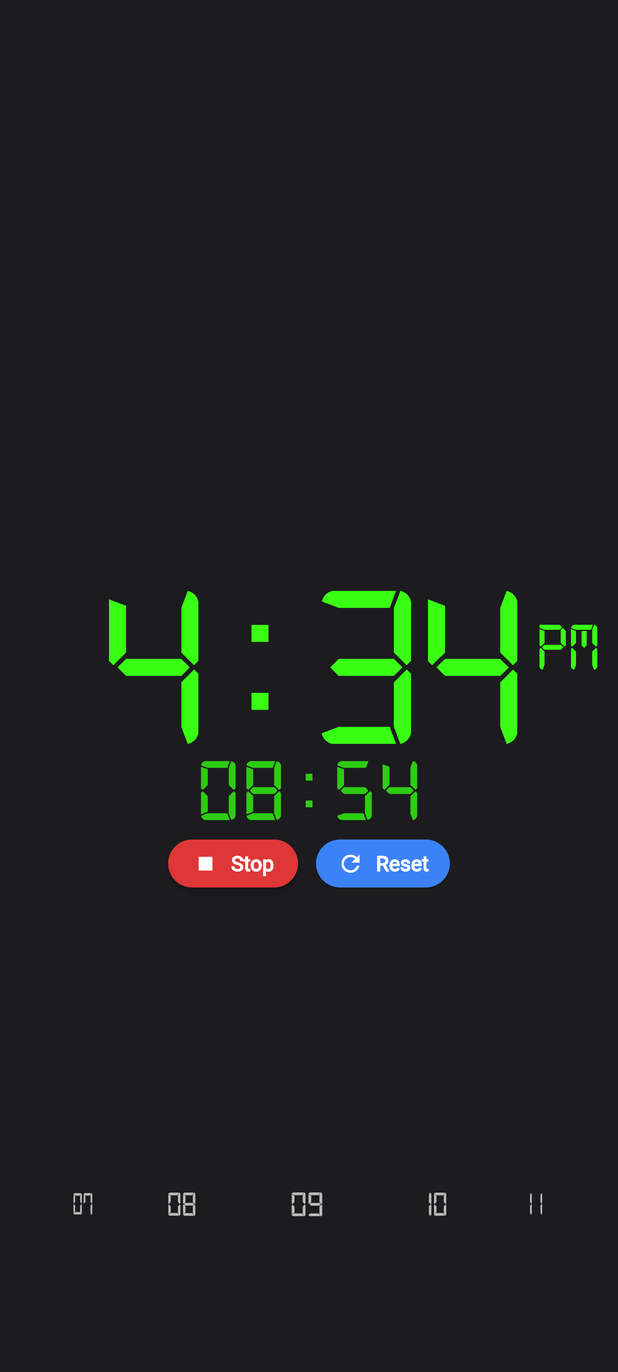
Boost running a countdown with eight minutes and fifty four seconds left, shown on a seven segment display above Stop and Reset buttons.
Platform
Android
Built with
Flutter · Dart
Category
Productivity
Version
1.0.1
My role
Sole developer

The app

Four states, one screen.

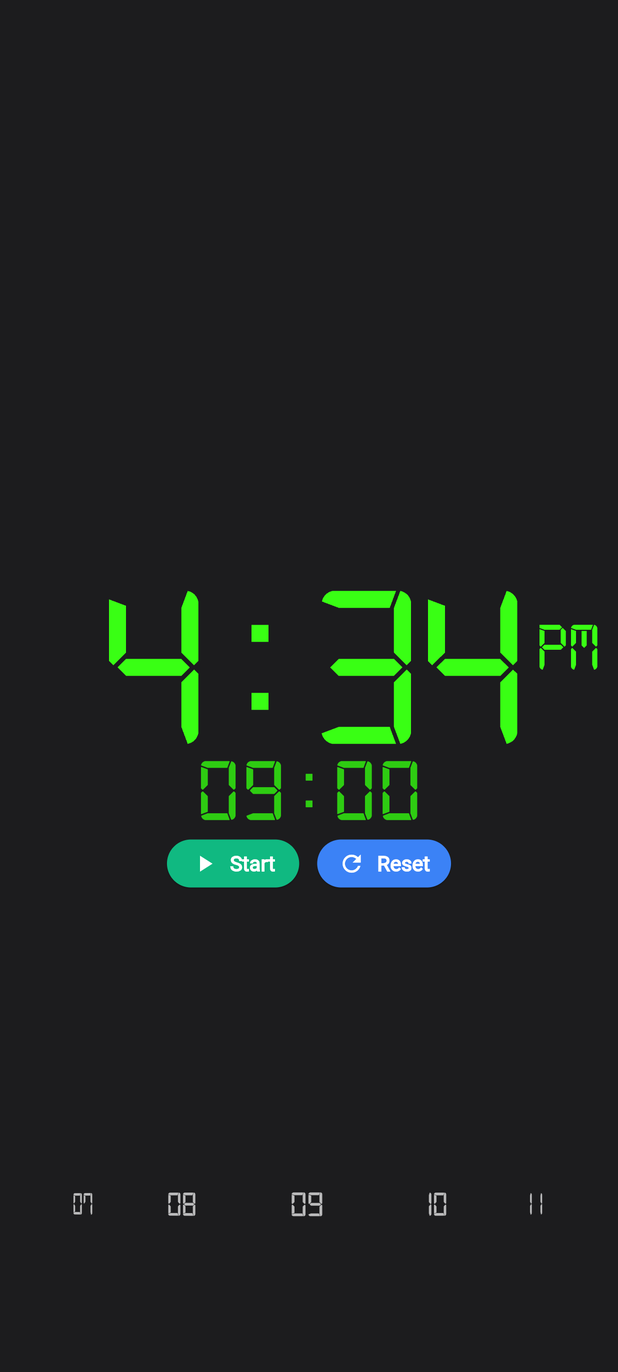
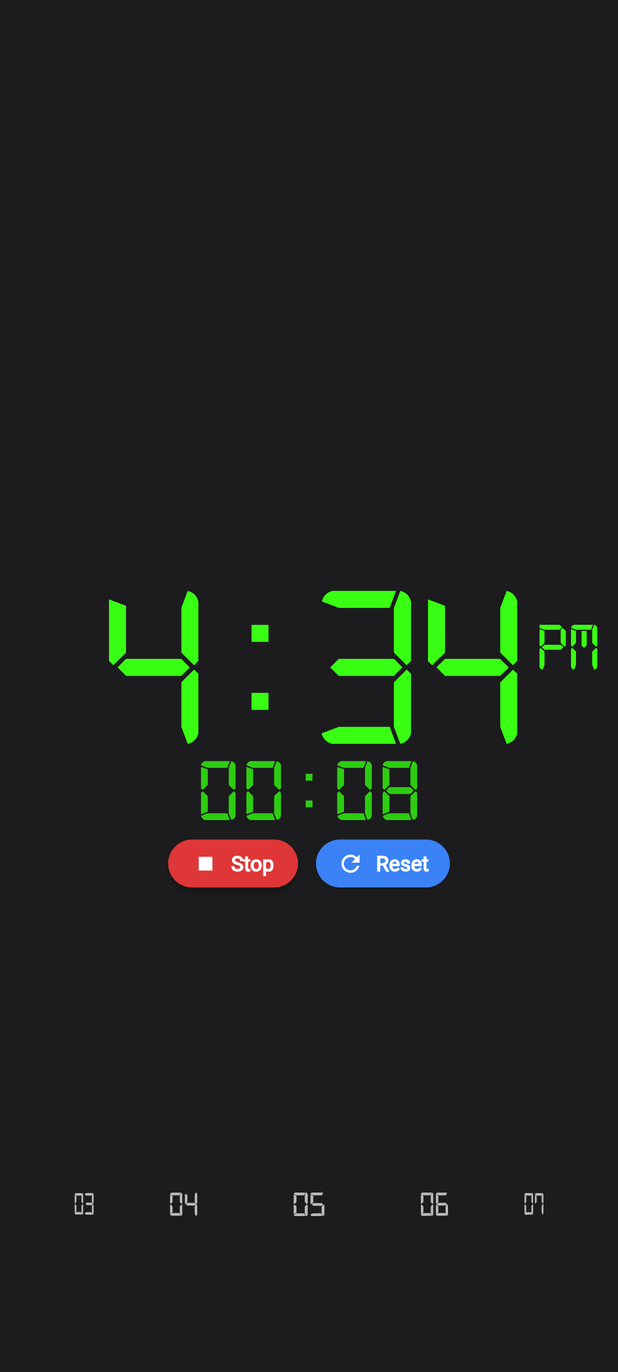
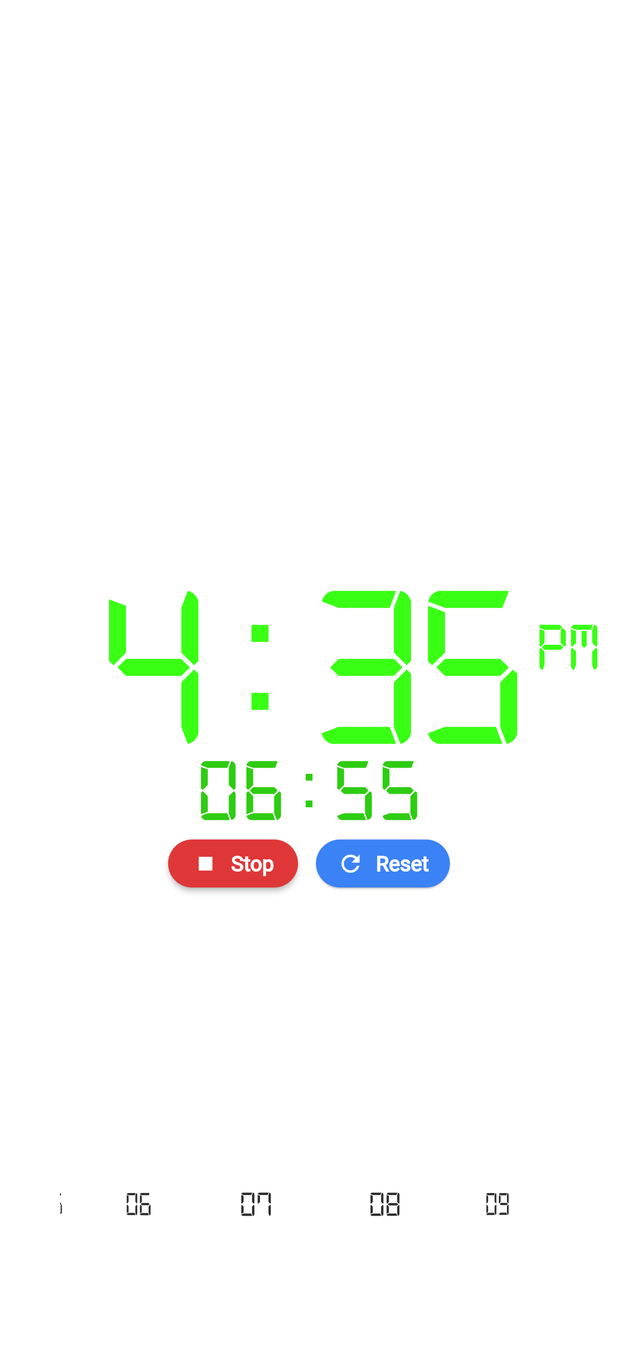
Boost has no menus, tabs, or settings pages. The whole app is one screen that changes with what you are doing. Every image below is a capture of the running application.

Boost counting down from a set session, eight minutes and fifty four seconds remaining.

How it is built

The interesting part is
what happens in the background.

A timer is a deceptively simple thing to ship. The work is in everything that happens once the screen turns off.

Time comes from the clock, not a ticker

Rather than decrementing a counter every second, Boost stores the start and target timestamps and derives the remaining time from the system clock. A foreground ticker only drives the display. Android is free to suspend the process, and when the app comes back the numbers are still right.

State survives the process being killed

Timer mode, running and paused flags, the start and target epochs, and accumulated pause time are written to local storage through shared_preferences. The app observes the Android lifecycle and rebuilds its state on launch, so a session continues across an app switch or a restart.

A custom picker instead of a dialog

Choosing a duration uses a looping ListWheelScrollView rotated to run along the bottom edge of the screen, with fixed-extent snapping. It reads as part of the display rather than a form control, which keeps the app to a single screen.

Nothing leaves the device

There is no account, no backend, no analytics, and no third-party SDKs. Everything is stored locally, which is why the app works with no connection and why its privacy policy has nothing to disclose.
Also in the build

  • Light and dark themes from one seeded color scheme
  • Seven segment display face
  • Haptic feedback on each minute
  • Pause and resume without losing elapsed time
  • Single Dart codebase

Built the same way
I build for clients.

Boost is a small app, shipped solo from first commit to the Play Store listing. The same approach applies to the web, backend, and mobile work I take on under contract.

Boost privacy policy